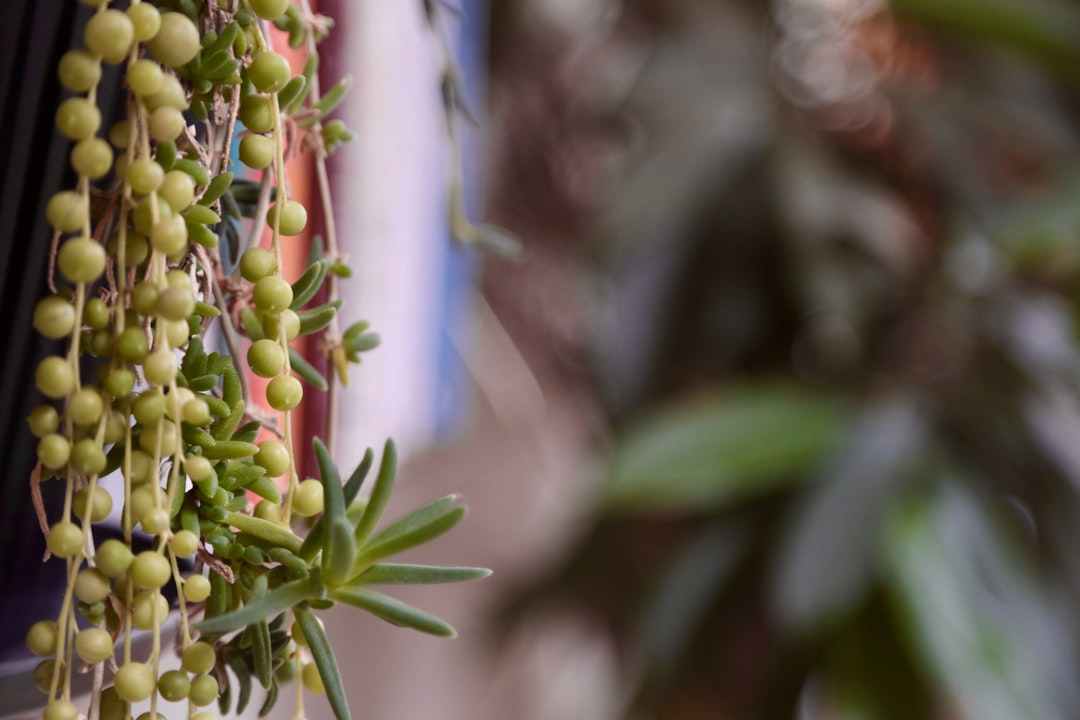
Have you ever watched your string of pearls, Curio rowleyanus (formerly Senecio rowleyanus), go from plump and playful to shriveled in just 10 days? That usually means one of three things: too much water, not enough light, or soil that stays wet for 4+ days. The good news is that string of pearls care gets much easier once you understand what those little beads are telling you.
I’ve seen these trailing succulents bounce back from near-collapse when the setup matches their needs: 2000-5000 lux of light, a fast-draining mix, and careful watering in small amounts like 50-100 ml instead of a heavy soak. If you’ve ever killed a “heartbreaker” plant because the top looked dry while the roots were still soggy, this guide is for you.
1. Give It the Right Light Without Scorching the Pearls
String of pearls care starts with light, and this plant is pickier than it looks. Indoors, a spot near an east window is usually ideal because it gives gentle morning sun for 2-4 hours, then softer light for the rest of the day. In my own home, a plant placed 18 inches from a south window started stretching within 3 weeks, while the one near an east-facing sill kept tight, round beads.
Too little light makes the stems long and sparse. Too much direct afternoon sun can bleach the beads or leave tan patches, especially when indoor temperatures climb above 80°F (27°C). If your room sits around 65-75°F (18-24°C), you’re in the sweet spot for healthy growth. In lower-light homes, a grow light set for 10-12 hours daily can help, but keep it 8-12 inches above the plant so it does not overheat.
### H3: Watch the shape of the pearls
Healthy beads look full and evenly spaced. If the spacing widens over 14 days, the plant is likely reaching for more light. On the other hand, if the stems turn dull or the top pearls wrinkle after a hot afternoon, move the pot back 12-24 inches from the glass. String of pearls care is really about balance, not blasting it with sun.
2. Water Sparingly, but Water Deeply When It’s Time
This is the part that trips up most people. String of pearls care works best when you let the soil dry almost completely before watering again. For a small 4-inch pot, I usually wait until the top 2 inches are dry and the pot feels light, which often takes 7-14 days indoors. In winter, that stretch can become 14-21 days, especially in a 55-65°F (13-18°C) room.
When you do water, give enough to moisten the whole root zone, then let excess drain away. For a pot that size, that may be 75-150 ml, depending on the mix and drainage. I prefer watering in the morning so the plant has 8-10 hours of daytime to dry out if any moisture lingers on the surface.
### H3: Signs you’ve gone too far
Overwatered pearls look translucent, soft, or burst at the seams. Underwatered ones look wrinkled but stay firm. If the stems feel mushy near the soil line, stop watering for 10-14 days and check drainage. A pot without a drainage hole can hold water for 3-5 days too long, which is usually enough to trigger root rot.
Water only after the mix dries out, then soak enough to reach the roots. Small, measured watering beats frequent splashes every time.
3. Use a Fast-Draining Mix and a Pot That Helps the Roots Breathe
String of pearls care gets much easier with the right soil. A mix that holds moisture for 5+ days is usually too heavy. I like a blend that is about 50% cactus soil, 25% perlite, and 25% pumice or coarse sand. That kind of mix drains quickly while still giving the roots enough grip.
Choose a pot with at least 1 drainage hole, and avoid oversized containers. A pot that is 2 inches wider than the root ball is plenty. If the container is too large, the extra soil stays wet longer, which is risky for Curio rowleyanus. In a clay pot, evaporation can be faster by 20-30% compared with plastic, which is helpful if your home runs humid.
Humidity matters too. These plants prefer around 30-50% humidity. If your indoor air is above 60%, especially in a bathroom or kitchen, the mix may dry more slowly, so you may need to extend watering intervals by 2-4 days. I’ve also had good results in USDA zone 9 outdoor shade, where the plant stayed protected from intense afternoon sun and heavy rain.
4. Prune, Propagate, and Refresh Before It Gets Leggy
One of the best parts of string of pearls care is how easy it is to fix a sparse plant. If the vines have bare sections longer than 3 inches, trim them back and replant healthy cuttings. New roots often form in 10-21 days when the cut end sits on slightly moist, airy soil. Keep the tray in 65-75°F (18-24°C) conditions for the best results.
When pruning, snip just above a bead node and remove any stems that are yellow, soft, or completely dried out. I like to save 4-6 inch cuttings and lay them on top of the pot, pinning the stems gently with floral wire or a bent paperclip. Mist the surface with just 10-15 ml every 3-4 days for the first 2 weeks, but do not soak it.
### H3: Keep the plant dense
If you want a fuller look, tuck cuttings around the crown instead of letting all the vines trail from one point. That creates a thicker top and helps the pot look balanced. After 6-8 weeks, you should see fresh growth at several nodes if the plant has enough light and the soil stays airy.
5. Catch Common Problems Early Before They Spread
Most issues with string of pearls care show up fast if you know what to look for. Shriveling can mean thirst, but it can also mean root damage. Yellowing beads, especially when paired with a musty smell, often point to rot. If the pot has stayed damp for more than 4 days, check the roots right away.
Pests are less common, but mealybugs can hide where the stems meet the soil. Inspect the plant every 7-10 days, especially under the vines and around the crown. If you spot white cottony clusters, dab them with 70% isopropyl alcohol on a cotton swab and isolate the plant for 2 weeks. That small quarantine period can stop the problem from moving to nearby succulents like Echeveria elegans or Crassula ovata.
If growth slows in winter, do not panic. Shorter days and lower light levels can reduce watering needs by 30-50%. I’ve noticed that plants kept near a north-facing window often need far less water from November through February, but they may also need a move to a slightly sunnier spot if the beads start spacing out.
| Problem | What It Looks Like | What To Do |
|---|---|---|
| Too much water | Soft, yellow, translucent beads | Stop watering for 10-14 days; check drainage |
| Too little light | Long gaps between beads after 14-21 days | Move closer to an east window or add 10-12 hours of grow light |
| Too little water | Wrinkled but firm pearls | Water 75-150 ml and let excess drain |
| Root rot | Mushy stems, sour smell, soil wet 5+ days | Repot into dry, gritty mix immediately |
Q: How often should I water string of pearls?
A: In most indoor homes, every 7-14 days is a good starting point, but always check the soil first. In winter or cooler rooms around 55-65°F (13-18°C), it may stretch to 14-21 days.
Q: Why are my string of pearls shrinking?
A: Shrinking pearls usually mean the plant is thirsty, but if the soil has been wet for more than 4 days, root trouble may be the real issue. Check both the bead texture and the root zone before watering again.
Q: Can string of pearls grow in low light?
A: It can survive there for a while, but it will usually become leggy. For better shape, give it near east window light or 2000-5000 lux for 10-12 hours daily.
Bottom line: String of pearls care is mostly about dry soil, gentle light, and small corrections before problems spread. Which part of your setup do you want to adjust first: light, watering, or soil?
Sources: plantura.garden, happyhouseplants.co.uk, hort.extension.wisc.edu, planetdesert.com, succulentsbox.com