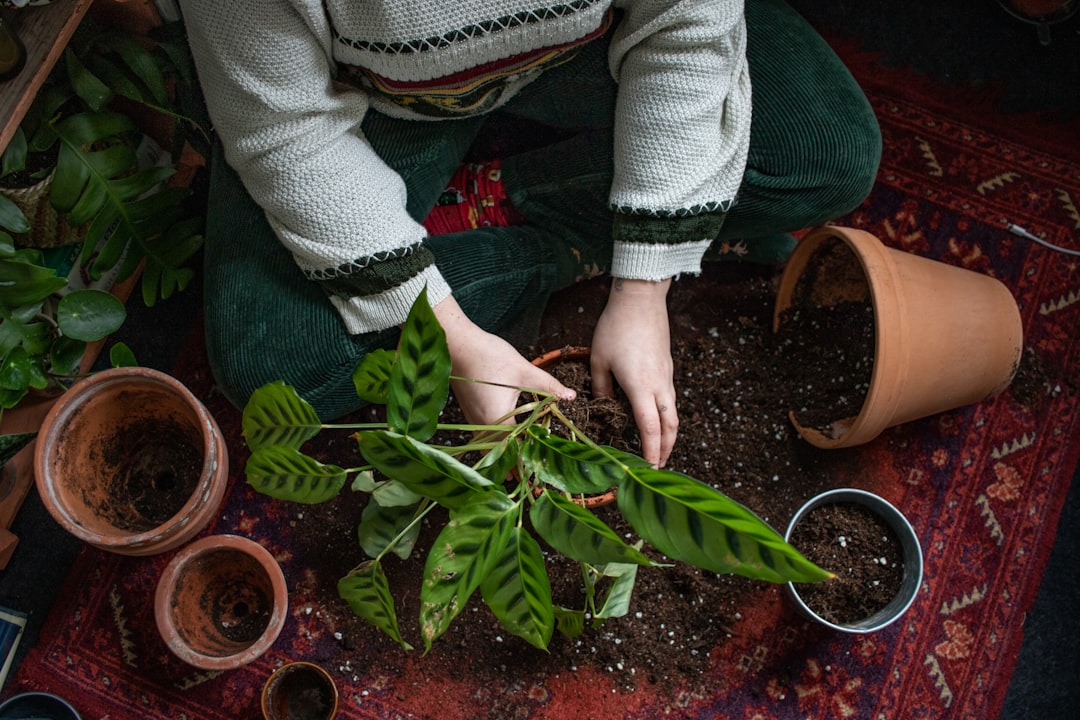
Is your fiddle leaf fig dropping leaves after a move, or is your pothos drying out in 24 hours instead of 7 days? That usually means the roots have outgrown the pot, and repotting houseplants step by step can fix it before the plant starts declining. I’ve seen plants bounce back in 2 to 3 weeks when the timing, pot size, and soil are right.
The trick is not just “put it in a bigger pot.” It’s choosing the right moment, using the right soil, and avoiding the two biggest mistakes: overpotting and overwatering. Here’s the practical version I wish every indoor gardener got before their first repot.
1. Check for the Real Repotting Signals
Before you touch the roots, confirm the plant actually needs a new home. A root-bound Epipremnum aureum (golden pothos) will often push roots through the drainage holes, dry out in 1-2 days, or start circling the pot like a tight spring. Snake plant Dracaena trifasciata and Monstera Monstera deliciosa can both sit in the same pot for a while, but if water runs straight through and the soil shrinks from the sides, they’re asking for an upgrade.
What I look for first
Slide the plant out and check the root ball. If roots are packed so tightly that you can’t see much soil, or if they’re growing in a spiral, it’s time. A pot that is only 1-2 inches wider than the current one is usually enough. Going from a 6-inch pot to a 10-inch pot sounds generous, but it can leave too much wet soil around the roots and raise rot risk.
I also pay attention to season and room conditions. Repotting is easiest when indoor temperatures stay around 65-75°F (18-24°C), and humidity is near 40-60%. If your home drops below 60°F (15.5°C) at night, wait until conditions stabilize for at least 7 days. A plant under a north-facing window may need less frequent repotting than one in a sunny east window, because growth slows down more gently.
2. Gather the Right Pot, Soil, and Tools
The best repotting houseplants step by step process starts with prep. Use a pot with drainage holes, and choose one that is 1-2 inches wider than the old container for most plants. For a fast grower like Monstera ‘Thai Constellation,’ a ceramic or plastic pot with a drainage tray works well, especially if the room stays around 68-72°F (20-22°C).
Soil mix matters more than the pot
For tropical houseplants, I like a mix of 2 parts indoor potting soil, 1 part orchid bark, and 1 part perlite. That creates air pockets and helps water move through instead of pooling. For succulents, use a grittier mix with about 50% cactus soil and 50% pumice or perlite. If the mix holds too much water, roots can stay wet for 3-5 days, which is too long for many indoor plants.
Keep tools simple: clean scissors, a trowel, and a bucket or tarp. I also keep a measuring cup handy so I can use exactly 250 ml of water after repotting instead of guessing. If you want to sanitize tools, wipe blades with 70% rubbing alcohol and let them air-dry for 1 minute. That small step helps prevent spreading fungus or bacteria from one plant to another.
3. Remove the Plant Without Shocking the Roots
This is where people get nervous, but it’s usually easier than it looks. Water the plant lightly 24 hours before repotting so the root ball holds together, but don’t soak it. Then tip the pot sideways, squeeze the sides if it’s plastic, and support the stems at the base. If the plant resists, tap the pot rim on a table 3-4 times rather than yanking upward.
How to handle stubborn roots
If roots are circling tightly, gently tease the outer layer with your fingers for 30-60 seconds. For thick mats, make 2-3 shallow vertical cuts with clean scissors. That sounds dramatic, but it encourages new roots to grow outward instead of staying trapped in the same spiral. I’ve done this with a peace lily, Spathiphyllum wallisii, and it perked up noticeably within 10 days.
Trim only dead, black, or mushy roots. Healthy roots should be firm and light-colored. If more than one-third of the root mass is rotten, pause and rethink the watering routine, because the plant may need recovery before a bigger pot. After removing damaged roots, let the plant sit out of the pot for 10-15 minutes while you finish preparing the new container.
4. Set the Plant at the Correct Depth
Depth is one of the most overlooked parts of repotting houseplants step by step. Place a thin layer of fresh mix in the bottom, then set the plant so the original soil line sits about 0.5 inch below the rim. That keeps water from spilling over and gives you room to water thoroughly later. Burying the stem too deeply can trap moisture against the base and invite rot.
Backfill around the sides with fresh mix and tap the pot gently on the counter every few scoops to settle the soil. Don’t pack it down hard; roots need oxygen. For a 6-inch pot, I usually use about 1.5 to 2 quarts of mix, depending on the root ball size. If the plant leans, add a stake for 2-4 weeks rather than forcing the stem upright with dense soil.
After potting, leave about 1 inch of space at the top so water can soak in without overflowing. This is especially useful for plants near an east window, where light and growth are strong enough that the top layer dries faster than the center. A properly seated plant looks stable but not crushed, which is the sweet spot.
5. Water the Right Amount and Watch the First 14 Days
Right after repotting, water slowly until you see a small amount drain from the bottom. For a medium 6- to 8-inch pot, that may be 200-400 ml, depending on how dry the mix is. Don’t fertilize for 4-6 weeks, because tender new roots can burn easily. If your room sits at 70°F (21°C), the soil usually dries more evenly than in a cooler 62°F (16.5°C) space.
For the first 7 days, keep the plant out of direct sun and avoid moving it around. A spot with filtered light or near an east window is ideal. If the leaves droop on day 2, that’s not always failure; it’s often a short adjustment period. I’ve noticed my ZZ plant Zamioculcas zamiifolia can look tired for 48 hours after repotting, then recover once the roots settle.
Check moisture with your finger every 2-3 days, not on a fixed watering schedule. If the top 2 inches are dry, water again only if the pot feels light. In cooler homes, that might take 7-10 days; in a dry room, it may take 4-5 days. The goal is stable moisture, not constant dampness.
6. Avoid the Most Common Repotting Mistakes
The biggest mistake is oversizing the pot. A plant moved from a 4-inch nursery pot to a 10-inch decorative pot can sit in soggy soil for 5-8 days, which is too long for many tropicals. Another common issue is repotting during a cold snap. If the room drops below 60°F (15.5°C), roots slow down and recovery takes longer, sometimes 3-4 weeks instead of 1-2.
Another problem is using garden soil indoors. It’s usually too dense and can compact within 2 weeks. Stick with indoor potting mix made for containers. For orchids, cacti, and hoyas, adjust the blend so it drains fast. I once repotted a hoya into a heavy mix and it stayed wet for 6 days; after switching to a bark-heavy blend, the same plant started pushing new leaves in about 18 days.
Finally, don’t panic if one or two older leaves yellow. That can be normal after root disturbance. What you want to see is firm stems, no sour smell from the soil, and steady new growth within 2-4 weeks. If the plant is still declining after 14 days, reassess the root zone, light level, and watering amount before making another change.
| Plant Type | Best Pot Increase | Soil Style | First Watering |
|---|---|---|---|
| Pothos (Epipremnum aureum) | 1-2 inches wider | Potting soil + perlite + bark | 200-300 ml |
| Monstera deliciosa | 1-2 inches wider | Aerated tropical mix | 300-400 ml |
| Snake plant (Dracaena trifasciata) | 1 inch wider | Fast-draining cactus mix | 100-200 ml |
| Peace lily (Spathiphyllum wallisii) | 1-2 inches wider | Moisture-retentive but airy mix | 250-350 ml |
Repot only when the roots truly need room, use a pot just 1-2 inches wider, and keep the plant in 65-75°F (18-24°C) conditions for the first 7 days so it can settle without extra stress.
FAQ
Q: How often should I repot most houseplants?
A: Many common houseplants need repotting every 12-24 months, but fast growers like pothos may need it sooner. Slow growers such as snake plants can stay put for 2-3 years if the roots are not circling hard or pushing out of the drainage holes.
Q: Should I water before or after repotting houseplants step by step?
A: Water lightly 24 hours before if the soil is bone dry, then water again after repotting until a small amount drains out. That usually means 200-400 ml for a medium pot, depending on the plant and mix.
Q: What if my plant looks droopy after repotting?
A: Give it 48 hours in indirect light and keep temperatures steady around 65-75°F (18-24°C). If the soil is wet for more than 5 days, hold off on more water and let the mix dry to the top 2 inches before checking again.
Bottom line: Repotting houseplants step by step works best when you size up slowly, use airy soil, and give roots 7-14 days to recover—what plant in your home is clearly ready for a new pot?
Sources: patchplants.com, uaex.uada.edu, extension.psu.edu, mahoneysgarden.com, costafarms.com