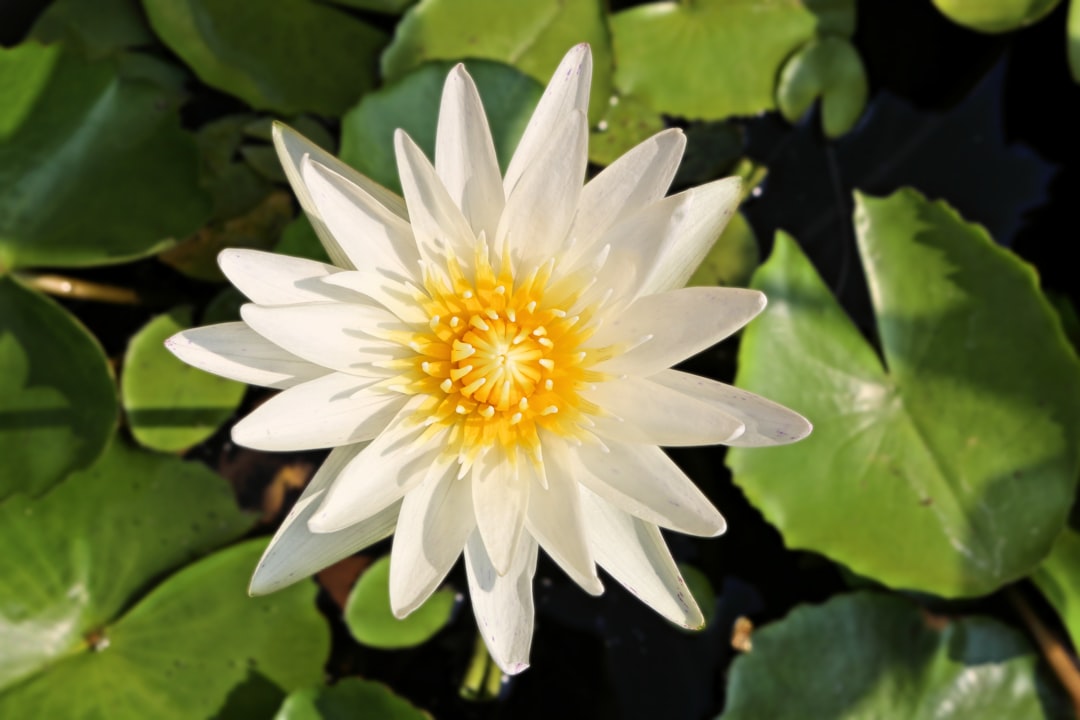
When a peace lily (Spathiphyllum wallisii) starts making yellow leaves, it usually feels like the plant is trying to tell you something in a language nobody taught you. That was exactly what happened to a 10-inch peace lily sitting near an east-facing window in my living room. One Monday morning, I noticed two older leaves turning lemon-yellow at the base, and by the next day the yellow had crept across nearly a third of each leaf blade.
The plant had been healthy for months, so the change got my attention fast. I checked the soil, the pot, the room temperature, and even the humidity before touching the watering can. What I found over the next two weeks was a useful reminder that peace lily yellow leaves are usually a clue, not a mystery.
Most peace lily yellow leaves come from moisture stress, low light, or aging foliage. The fix is usually simpler than it looks once you track what changed in the last 7-14 days.
Day 1: The First Yellow Patch
On April 3, I spotted the first signs on my peace lily, a standard green form of Spathiphyllum wallisii in a 6-inch nursery pot. The two oldest leaves were yellowing from the tips inward, while the newest leaves stayed deep green. The room sat at 69°F (20.5°C) during the day and dropped to 64°F (17.8°C) at night, which is fine for this plant, so temperature was not my first suspect.
I measured the soil moisture with my finger and found the top 2 inches still damp. That was the clue I needed. Peace lilies hate sitting in wet mix for too long, and yellow leaves often show up when the roots cannot get enough oxygen. The pot also had a saucer that sometimes held 30-40 ml of leftover water after watering, which I had been ignoring.
What I checked first
I looked at the leaf pattern before I changed anything. Older leaves yellowing first often points to overwatering, while new leaves turning pale can point to nutrient issues or poor light. In my case, the yellowing started low and moved upward, which matched a moisture problem more than a feeding problem.
The plant was receiving about 2000-2500 lux near the window, which is acceptable for peace lilies, but the winter sun angle had shifted the pot farther from the glass than I realized. That meant the soil stayed wet longer than usual. The plant was not screaming for more water; it was asking for less.
Day 3: The Soil Test Changed Everything
By April 5, I decided to check the potting mix instead of guessing. I slid the plant out carefully and found the root ball holding moisture in the center while the outer mix felt almost dry. That uneven drying can trick you into watering too soon, especially with peace lily yellow leaves already on display. The mix smelled slightly sour, which is never a great sign.
I also tested the drainage hole and found it partly blocked by compacted roots. The pot had been sitting in a decorative cachepot, and that setup likely trapped extra runoff. I repotted the plant into a container with a 0.5-inch wider diameter and fresh mix made with bark, peat, and perlite. The new pot drained in under 20 seconds after watering, which was much better than before.
Root clues I noticed
The roots were mostly white, but a few were tan and soft at the edges. They were not fully rotted, which was good news. I trimmed only the mushy bits and kept the healthy roots intact. For a plant like Spathiphyllum wallisii, that kind of quick intervention can stop the yellowing from spreading further.
After repotting, I watered with 250 ml and let every drop drain fully. I did not water again for 8 days. That pause mattered more than any fertilizer I could have added, because the plant needed a drier, airier root zone more than it needed food.
Week 2: Watching the Leaves Stabilize
By April 12, the yellow leaves had not turned green again, which is normal. Damaged tissue does not recover color. What did happen was more important: the healthy leaves stopped drooping, and the newest leaf stayed firm instead of curling. The soil surface dried evenly within 4 days, and the pot felt much lighter when I lifted it.
The room temperature stayed between 67°F and 72°F (19°C to 22°C), and humidity hovered around 48%. That is decent, though peace lilies often look best closer to 55-60% humidity. I set a small tray of pebbles under the pot, but I kept the base above the water line so the roots would not sit wet again.
Light and placement
I moved the plant 18 inches closer to the east-facing window, where it got softer morning light without direct afternoon sun. Peace lilies can handle lower light, but too little light slows drying and makes yellow leaves more likely when watering habits stay the same. The change in placement helped the mix dry on schedule.
I also noticed that the cultivar in my hallway, a peace lily labeled Spathiphyllum ‘Domino’, stayed greener because it lived in slightly better airflow. That comparison taught me that placement matters just as much as watering. Two plants of the same type can behave differently if one sits in stagnant air and the other gets gentle circulation.
Week 3: The Second Checkup
On April 19, I checked the plant again after 7 more days. No new yellow leaves had appeared, and the oldest damaged leaves were still yellow but no longer expanding. The soil pH tested around 6.1, which is right in the comfortable range for peace lilies. That told me the yellowing was not a nutrient lockout issue after all.
I decided not to fertilize yet. A stressed peace lily can react badly to a feeding if the roots are still recovering. Instead, I waited until the plant had shown stable growth for 2 full weeks. The newest leaf opened to 5 inches long and kept a clean green color, which was the best sign I could have asked for.
| What I Checked | Before Fix | After Fix |
|---|---|---|
| Soil moisture | Damp at 2 inches deep | Dry at 1.5 inches before watering |
| Drainage | 30-40 ml trapped in saucer | Fully drained in under 20 seconds |
| Light | About 1500-2000 lux | About 2000-2500 lux near east window |
| Leaf condition | 2 yellowing older leaves | No new yellow leaves after 14 days |
Day 14: What the Plant Told Me
By April 17, the peace lily was not perfect, but it was clearly recovering. The yellow leaves were still there, and I removed the worst one with clean scissors at the base. The plant had shifted its energy into new growth instead of fighting soggy roots. That is the moment I knew the problem had been moisture-related from the start.
The most useful part of the whole experience was how clear the pattern became. Peace lily yellow leaves do not always mean one dramatic disaster. Sometimes they are the result of a small habit that slowly adds up, like watering before the top layer dries, letting runoff sit in a saucer, or keeping the pot too far from usable light.
My practical rule now
I now water only when the top 1.5 to 2 inches of mix feel dry, which for my setup has been every 8 to 10 days. In cooler rooms around 64-68°F (17.8-20°C), I wait longer. In brighter rooms near 72°F (22°C), I check sooner. That simple routine has kept the peace lily steady without any new yellowing.
| Possible Cause | What It Usually Looks Like | What I Did |
|---|---|---|
| Overwatering | Older leaves yellow first, soil stays damp | Repotted, improved drainage, watered less often |
| Low light | Slow drying, weak growth, pale leaves | Moved closer to an east-facing window |
| Root stress | Sour soil smell, soft roots, drooping | Trimmed damaged roots and refreshed mix |
What I Learned
Peace lily yellow leaves are often a timing problem, not a talent problem. The plant was not asking for more care; it was asking for better-timed care. Once I stopped watering on habit and started checking the soil depth, drainage, and light level, the pattern made sense.
I also learned that one yellow leaf does not always mean panic. If the oldest leaf is yellowing while the rest of the plant looks firm, that can simply be normal aging. But if multiple leaves turn yellow in a short window of 3-5 days, it is worth checking roots and moisture right away.
Next Time I’ll…
Next time I see peace lily yellow leaves, I’ll check the saucer first, then the soil 2 inches down, then the light level before I water. I’ll also keep the plant in a pot that drains cleanly and avoid decorative containers that hide standing water. That small habit change is easier than rescuing stressed roots later.
- Check soil depth before watering
- Empty any runoff after 10 minutes
- Keep the plant near an east-facing window
- Watch older leaves first for yellowing patterns
FAQ
Q: Can yellow peace lily leaves turn green again?
A: No, once a peace lily leaf has turned yellow, that tissue usually will not recover. The goal is to stop new yellow leaves from forming by fixing watering, drainage, or light.
Q: How often should I water a peace lily?
A: Water when the top 1.5 to 2 inches of soil feel dry, which may be every 7-10 days in a typical home. Cooler rooms and lower light usually mean slower drying.
Q: Do peace lilies need fertilizer if leaves are yellow?
A: Not right away. If the plant has yellow leaves from overwatering or poor drainage, fertilizer can make things worse. Wait until new growth looks steady and the roots are healthy.
Bottom line: if your peace lily has yellow leaves, check moisture and drainage first, then light, and only feed after the plant is stable again—what changed in your care routine during the last 2 weeks?
Sources: bloomscape.com, tomsguide.com, spider-farmer.com, bloomingbackyard.com