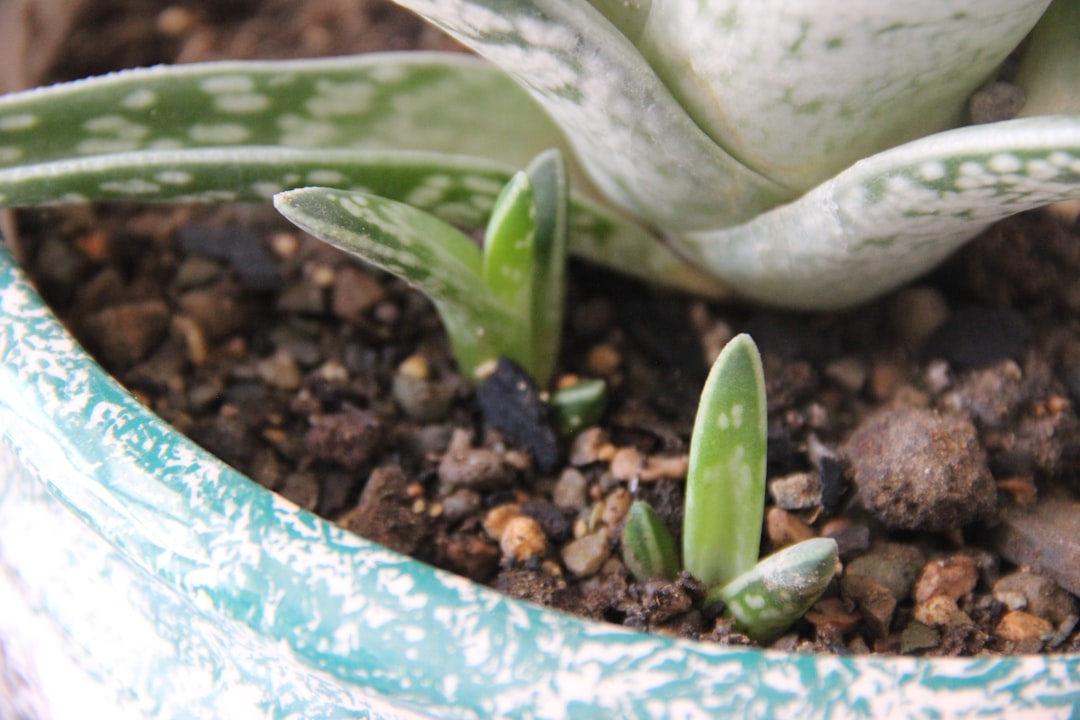
If your snake plant looks fine after repotting but you’re hovering over the watering can anyway, you’re not alone. The biggest mistake with Sansevieria trifasciata is watering too soon, especially right after root disturbance.
I’ve seen more snake plants rot from kindness than from neglect. A repotted plant needs a short recovery window, and the exact timing depends on soil dryness, pot size, and room temperature.
For most repotted snake plants, wait 5-7 days before the first watering, then water only when the top 2-3 inches of soil are dry and the pot feels noticeably lighter.
Should you water a snake plant right after repotting?
Usually, no. A repotted snake plant does better if you hold off on watering for 5-7 days, especially when the roots were trimmed or the plant was divided. Freshly disturbed roots are vulnerable, and wet soil can trap oxygen out of the root zone. Snake plants store moisture in their thick leaves, so they can handle a short dry period far better than soggy conditions.
If the potting mix was bone dry during repotting, I still avoid a full soak on day one. Instead, I wait until the plant settles, then give a measured drink of about 250-500 ml for a 6-inch pot, depending on drainage. For larger 8-inch containers, that may be 600-750 ml. The goal is to moisten the root zone, not saturate the whole pot.
Temperature matters too. In a room held at 65-75°F (18-24°C), soil dries at a moderate pace. If the plant sits near a south-facing window where daytime temperatures hit 80°F (27°C), the mix may dry faster. In a cooler north-facing window at 60-65°F (16-18°C), drying slows down, so watering too soon is even riskier.
What signs tell you the pot is ready for water?
The best answer to when to water repotted snake plant is not a calendar alone. Use your finger, the pot’s weight, and the soil texture together. If the top 2-3 inches feel dry and crumbly, and the pot lifts much easier than it did after watering, that’s usually your cue. Snake plant roots prefer a dry-down cycle, and the soil should never stay damp for more than a few days.
How dry is dry enough?
For a standard indoor snake plant, I like checking at the 7-day mark after repotting. Push a finger or wooden chopstick down about 2 inches; if it comes out cool and dark with soil stuck to it, wait 2-3 more days. If it comes out clean and the room humidity is under 50%, the plant is usually ready for a cautious watering.
One practical detail: if your mix contains lots of peat or coco coir, it may hold moisture longer than a gritty blend with pumice, orchid bark, and perlite. A mix with 30-40% inorganic material drains faster and is safer for Dracaena trifasciata. I’ve repotted the cultivar Sansevieria trifasciata ‘Laurentii’ into a very airy mix, and it was ready to water in 6 days; the same plant in a denser mix needed 10 days.
How do temperature, humidity, and light change the watering schedule?
Environment changes the answer more than most people expect. In a room between 68-75°F (20-24°C) with humidity around 40-50%, a repotted snake plant often dries enough for its first watering in 5-7 days. If humidity climbs to 60-70%, or the plant sits in a shaded corner, wait closer to 8-12 days. The drier the air, the faster the pot dries.
Light also matters. A snake plant near an east window usually dries more evenly than one in a dim hallway. Under 2000-5000 lux, growth is slower, so the plant uses less water. That means the soil can stay moist longer, and watering too early becomes a real risk. In USDA zone 9, where indoor temperatures can swing with seasonal changes, I’ve noticed repotted plants need a longer pause in winter than in summer.
Here’s the practical pattern I use: if the room is cooler than 65°F (18°C), wait an extra 2-4 days. If the room is above 78°F (26°C) and the pot is terracotta, check sooner because evaporation speeds up. The plant’s leaves should stay firm, not soft or wrinkled. Soft leaves after repotting can mean root stress, but they can also mean the soil stayed wet too long.
What is the safest first-watering method after repotting?
When the soil finally dries, water slowly and evenly. Pour in about 250 ml, pause for 30 seconds, then add more only if the mix is still bone dry deeper down. For a medium pot, aim for enough water that a small amount drains from the bottom, then empty the saucer within 10 minutes. Standing water is a bad match for snake plant roots.
I like using room-temperature water around 65-75°F (18-24°C), not cold water straight from the tap. Cold water can shock roots that are already adjusting to new soil. If the plant was recently divided, wait the full 7 days before that first soak. If you repotted during a cooler spell and the mix still feels damp on day 7, keep waiting rather than forcing the schedule.
After that first watering, return to a dry-down rhythm. For many indoor plants, that means every 10-14 days in summer and every 3-4 weeks in winter, but only after the soil has dried out fully. The plant’s needs change less from the calendar than from temperature, pot size, and airflow.
How can you avoid overwatering a repotted snake plant?
Overwatering usually starts with generous intentions and ends with mushy roots. The easiest safeguard is to choose a pot with a drainage hole at least 0.5 inch wide, then use a gritty mix that drains fast. A snake plant in a 6-inch pot should never sit in water for more than 10 minutes after watering. If the saucer fills, dump it immediately.
Another habit that helps is checking the plant at the same time each week, not watering on autopilot. I’ve found that a repotted snake plant near a north-facing window can stay dry for 14-21 days, while the same plant in a sunny room may need water sooner. The plant itself tells the story: upright, firm leaves mean you’re likely on track; collapsing or yellowing leaves often point to excess moisture, not thirst.
| Condition | Wait Before First Watering | What to Check |
|---|---|---|
| Normal indoor room, 68-75°F (20-24°C) | 5-7 days | Top 2-3 inches dry |
| Cool room, 60-65°F (16-18°C) | 7-10 days | Pot feels light, soil cool but not damp |
| Humid room, 60-70% humidity | 8-12 days | Chopstick comes out clean |
| Terracotta pot near east window | 4-6 days | Soil dries fastest at the edges |
What should you do if you already watered too soon?
If you watered within 24 hours of repotting, don’t panic. Move the plant to a spot with steady airflow, ideally 65-75°F (18-24°C), and let the mix dry completely. Do not add more water just because the top looks dusty. If the pot has poor drainage, tilt it gently after 10-15 minutes to release trapped water, then leave it alone.
Watch for yellowing at the base, a sour soil smell, or leaves that feel soft at the bottom. Those are early warning signs of rot. If the soil stays wet for more than 7 days, repotting again into a drier, more porous mix may be necessary. In my experience, snake plants recover better from a brief dry spell than from a second round of soggy soil.
Q: Can I mist a repotted snake plant instead of watering?
A: No. Misting does not help the roots and can encourage leaf spotting. Snake plants do best with dry leaves and evenly drained soil.
Q: Is bottom watering okay after repotting?
A: Yes, but only after the initial waiting period. Use a shallow tray and let the pot sit for 10-15 minutes, then remove it so the mix does not stay saturated.
Q: How often should I check the soil after repotting?
A: Check it every 2-3 days during the first two weeks. That gives you a better read than guessing by calendar alone.
So the practical answer to when to water repotted snake plant is this: wait about 5-7 days, then water only after the top 2-3 inches are dry and the pot feels light.