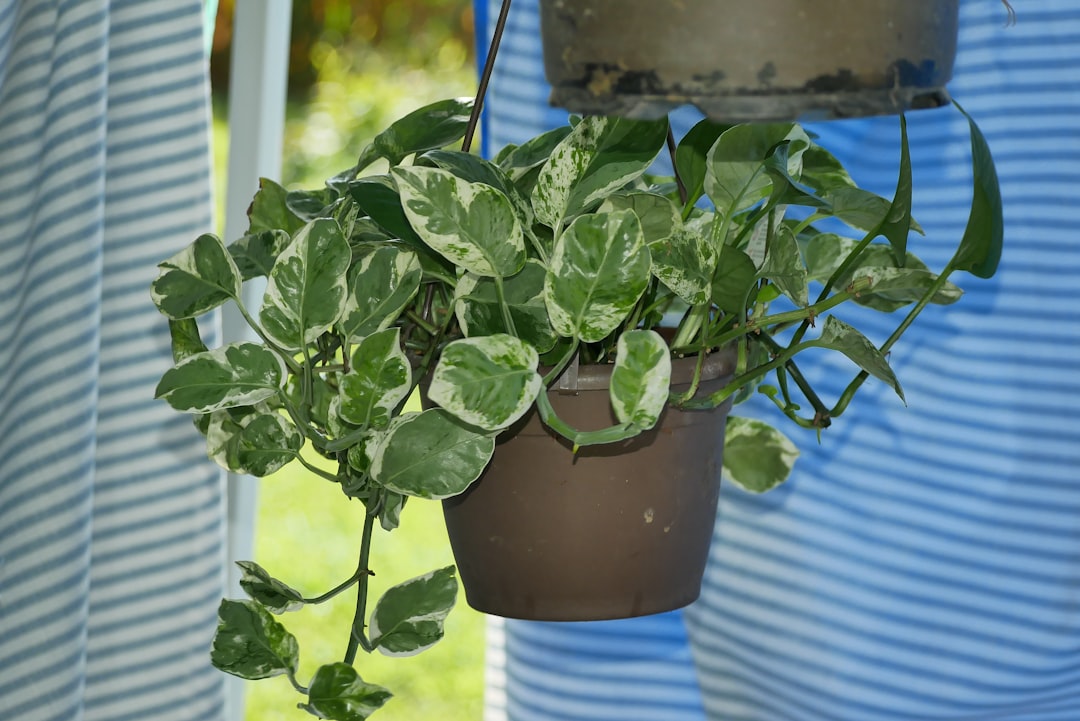
Is your pothos Epipremnum aureum growing long and stringy instead of full and lush? That was exactly the problem I had with a golden pothos sitting in a 10-inch hanging basket by a north-facing window. The vines looked healthy, but they were stretched out with bare stems between leaves, and the whole plant felt thin. I wanted to figure out how to make pothos look fuller without buying a new plant, so I spent eight weeks testing what actually changed the shape.
The biggest surprise was that fullness had less to do with “trying harder” and more to do with cutting, replanting, and giving the plant better light. Once I stopped letting the vines just trail forever, the plant started behaving like a different specimen. By the end, my pothos looked denser from the top down, and the basket finally had that packed, overflowing look I had wanted.
Week 1: Noticing Why the Plant Looked Sparse
On March 3, I measured the longest vine at 42 inches, and the spacing between leaves was nearly 4 inches on several stems. The plant was a golden pothos, Epipremnum aureum, and it was sitting about 6 feet from a north-facing window where light levels stayed around 800-1200 lux. That was enough to keep it alive, but not enough to encourage tight, compact growth.
I also checked the room conditions. The temperature held between 66-70°F (19-21°C), and humidity hovered around 38%. Those numbers were fine, but the plant was spending its energy extending vines rather than filling out. That’s when I realized how to make pothos look fuller starts with understanding that leggy growth is often a light and pruning problem, not a “bad plant” problem.
What I Changed First
I moved the pothos to a spot 2 feet from an east-facing window, where morning light was stronger but still gentle. I did not put it in direct midday sun, because I wanted better growth without scorching the leaves. The new location was close enough to give the plant more usable light, and within 10 days the newer leaves looked closer together than the older ones.
Week 2: Cutting the Longest Vines
On March 10, I took pruning shears and cut back three vines by 6-8 inches each, making sure each cut was just above a node. A node is the little bump where leaves and roots can form, and that is the key to making a pothos branch out after cutting. I left the plant with 8 main vines instead of 11, which felt dramatic at first, but it was the right move.
The plant looked thinner for about 48 hours, which is normal when you prune a trailing plant. But by day 6, I could already see two dormant nodes swelling on one of the shorter stems. If you want to know how to make pothos look fuller, pruning is the moment where the plant gets the message to stop stretching and start branching.
My Rule for Cutting
I did not remove more than one-third of the total foliage at once. That kept the plant from going into shock. I also kept the cuttings in a glass of water, because I wanted to use them later for replanting and make the original basket look denser.
Week 3: Rooting the Cuttings for a Denser Pot
On March 17, I had 7 cuttings sitting in a clear jar with 2 inches of stem submerged in water. The jar stayed in the same east-window spot, where the temperature ranged from 68-72°F (20-22°C). After 9 days, the first roots reached about 1 inch long, and by day 14, most cuttings had roots between 1.5 and 2 inches.
I used the rooted cuttings to replant directly into the same pot. I tucked the stems around the outer edge of the basket, not just in the center, because that helped the plant look fuller from every angle. This step made the biggest visual difference. Instead of one trailing plant, I now had multiple growing points feeding the same container.
| Method | What It Did | Result in My Pothos |
|---|---|---|
| Cutting vines back 6-8 inches | Triggered branching at nodes | New side growth started within 2 weeks |
| Rooting 7 cuttings in water | Created more stems for the same pot | Basket looked fuller after replanting |
| Moving to east-facing light | Reduced stretching | Leaves formed closer together |
Week 5: Feeding, Watering, and Watching the Shape Change
By March 31, the plant had settled into its new shape, and I switched to a diluted houseplant fertilizer at 1/4 strength every 14 days. I watered only when the top 2 inches of soil felt dry, which worked out to about every 7-10 days in my home. The pot drained well, and I made sure no water sat in the saucer for more than 20 minutes.
I also checked the soil pH, which stayed around 6.0-6.5. That range worked nicely for pothos and seemed to support steady growth without making the plant fussy. The leaves that emerged after pruning were noticeably smaller and closer together, which is exactly what I wanted for a fuller look. Fuller does not always mean bigger; sometimes it means more crowded, more layered, and less bare stem showing.
Why Watering Timing Mattered
When I let the plant dry too long, the vines paused. When I kept the moisture steady but not soggy, the new growth moved faster. That balance mattered more than adding extra fertilizer, which is where many people accidentally push more vine length instead of density.
Week 8: The Fuller Look Finally Showing
By April 21, the pothos had gained 5 new side shoots, and the basket looked about 30% denser than it did on March 3. The most obvious change was at the top of the pot: instead of seeing bare soil through the stems, I saw overlapping leaves and several new growth points. Even the longest vine now seemed to support the rest of the plant instead of dragging attention away from it.
I kept the plant in the same east-window spot, where daytime temperatures stayed around 67-73°F (19-23°C). The room also stayed near 40%-45% humidity, which was enough to keep the leaves from crisping at the edges. At this stage, I understood that how to make pothos look fuller is really about stacking small wins: better light, strategic pruning, and replanting the cuttings back into the same container.
If you want a fuller pothos, cut leggy vines back to a node, root the cut pieces, and plant them back into the same pot so the container gets more growth points instead of just longer stems.
What I Learned
The plant did not get fuller from one dramatic trick. It got fuller because I changed the conditions that were encouraging long, sparse vines. Better light near an east-facing window, pruning at the nodes, and replanting rooted cuttings all worked together. The difference was visible within 8 weeks, and the plant looked healthier because it had more leaves packed into the same space.
I also learned that patience matters after pruning. The plant may look thinner for a short stretch, but that pause is often the setup for denser growth. If you keep chasing length, you get a vine. If you encourage branching, you get a fuller pothos.
Next Time I’ll…
Next time, I’ll start pruning earlier, before the vines reach 30 inches, so the plant never gets as leggy in the first place. I’ll also place the pot closer to 2000-5000 lux from the start and rotate it every 7 days so all sides receive even light. And I’ll root extra cuttings in advance, because having ready-to-plant pieces makes it much easier to build a dense canopy fast.
| Question | Best Practice |
|---|---|
| How much should I prune? | Remove up to one-third of the vines, cutting just above a node. |
| Where should pothos sit? | Near an east-facing window or in 2000-5000 lux, not deep shade. |
| How do I get a bushier pot? | Root cuttings and plant them back into the same container. |
FAQ
Q: How long does it take to make pothos look fuller?
A: In my experience, you can see early changes in 10-14 days after pruning, but a clearly fuller look usually takes 6-8 weeks once new shoots and rooted cuttings settle in.
Q: Should I fertilize more to make pothos bushier?
A: Not more, just smarter. I used 1/4-strength fertilizer every 14 days. Too much fertilizer can push long, weak vines instead of compact growth.
Q: Can any pothos cultivar be made fuller?
A: Yes. Golden pothos, Marble Queen pothos, and Neon pothos can all be trained to look fuller. I’ve found that Marble Queen pothos, Epipremnum aureum ‘Marble Queen,’ may need a bit more light to stay dense and colorful.
One Practical Takeaway
If your pothos looks sparse today, cut the longest vines back by 6-8 inches, root the cuttings, and plant them back into the same pot within 2 weeks. That one move does more for fullness than waiting for the plant to “fill in” on its own.