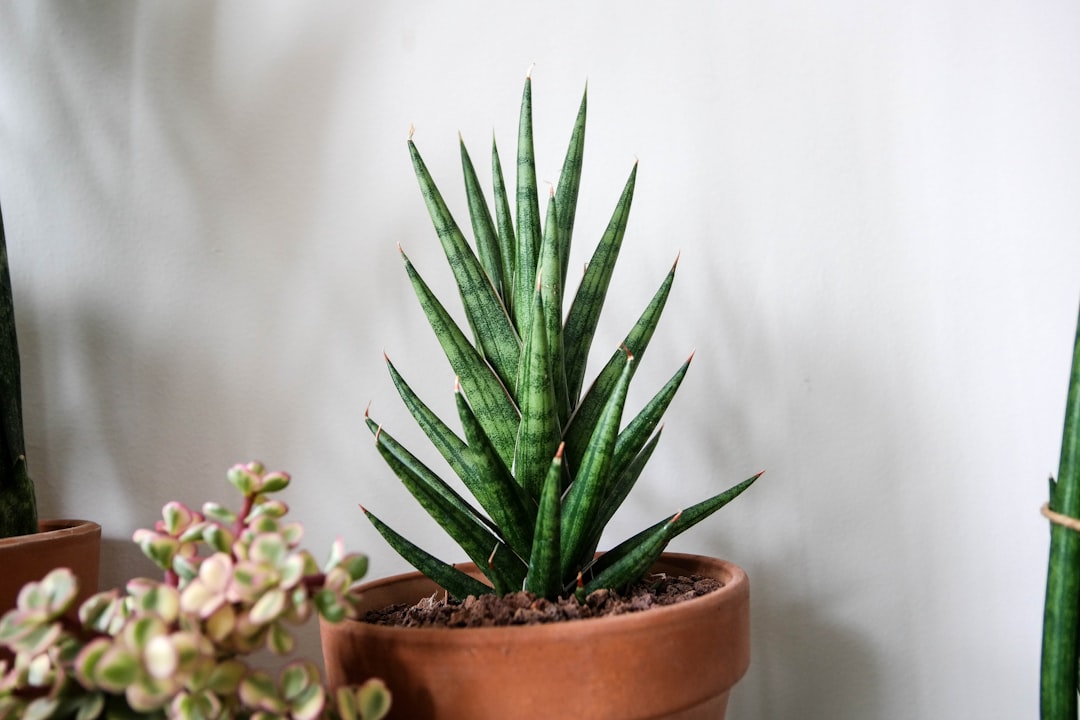
If your cylindrical snake plant, Dracaena angolensis (formerly Sansevieria cylindrica), keeps looking wrinkled, soft, or suspiciously yellow, the problem is often watering timing. This plant is built for dry spells, so the biggest mistake is treating it like a thirsty tropical foliage plant. I’ve seen more cylindrical snake plants decline from too much water than from too little, especially in cool rooms or heavy soil.
The good news is that figuring out when to water cylindrical snake plant is straightforward once you watch the soil, room temperature, and pot size. In my experience, a plant in a 6-inch terracotta pot near an east window may need water every 14-21 days in summer, while the same plant in a low-light north-facing window can go 3-5 weeks between drinks. The key is not the calendar alone, but how fast the mix dries.
How dry should the soil be before you water?
For a cylindrical snake plant, the soil should dry out completely before the next watering. That means the top 2-3 inches may look dry, but you should also check lower down with your finger or a wooden chopstick. If the stick comes out cool and damp, wait. If it comes out clean and dry, it is usually time to water.
In practical terms, I like to water only when the pot feels noticeably lighter and the soil has been dry for at least 7-10 days after the last soak. A moisture meter reading near 1 or 2 on a 10-point scale is helpful, especially in thicker pots where the center stays wet longer. Cylindrical snake plants store water in their leaves, so they do not want consistently moist soil the way a peace lily or fern might.
What does overwatering look like?
Soft bases, mushy roots, and yellowing near the bottom usually mean the plant stayed wet too long. If the potting mix includes too much peat or the drainage hole is small, water can linger for 10-14 days even when the surface looks dry. That hidden moisture is what causes root rot. If you want a simple rule, wait until the pot is fully dry from top to bottom, then water deeply.
How do light, temperature, and season change watering needs?
Light and temperature have a big effect on how fast a cylindrical snake plant uses water. In a room held at 65-75°F (18-24°C), growth is steady and watering may be needed every 2-4 weeks. If the plant sits near a south- or east-facing window with 2000-5000 lux, the soil dries faster than in a dim hallway, so the interval shortens. In low light, the plant uses less water and should be watered less often.
Season matters too. During summer, especially when daytime temperatures reach 75-85°F (24-29°C), I often see healthy plants dry out in 12-18 days. In winter, when indoor temperatures drop to 60-68°F (16-20°C), the same plant may need water only once every 4-6 weeks. If your home stays around 40-50% humidity, expect moderate drying; if humidity climbs above 60%, the mix may stay wet several extra days.
Should you water differently in winter?
Yes. Winter watering should be much lighter and less frequent because growth slows. For a plant kept in USDA zone 9 conditions outdoors, or indoors near a cool window, I would check soil every 10-14 days but water only when fully dry. Cold soil and wet roots are a bad combination. When temperatures fall below 55°F (13°C), the plant’s water use drops sharply, so patience matters more than schedule.
What pot and soil mix make watering easier?
The pot and mix can make or break your watering routine. A terracotta pot with a drainage hole dries faster than plastic, which is useful for this plant. In a 4-inch pot, soil may dry in 7-10 days; in an 8-inch pot, it can hold moisture for 2-3 weeks longer, especially if the mix is dense. That is why the same plant can need very different care depending on the container.
For the soil, aim for a gritty, fast-draining mix with roughly 50% cactus soil, 25% perlite, and 25% pumice or coarse sand. That blend lets water move through instead of pooling around the roots. I’ve had the best results when the pot has at least one drainage hole and the plant is not sitting in a saucer of runoff for more than 15 minutes.
How can you tell if the pot is holding too much water?
If the pot still feels heavy 5-7 days after watering, the mix is probably too dense or the container is too large for the root ball. A cylindrical snake plant prefers being slightly snug in its pot. Oversized containers can keep excess moisture around for 2-3 weeks, which is far longer than the roots want. Repotting into a smaller, better-draining container often solves the problem faster than changing your watering habit alone.
What is the safest watering method for this plant?
When it is time to water, soak the soil thoroughly until water runs from the drainage hole. For a typical 6-inch pot, that may be about 250-400 ml, depending on the mix and root size. Then empty the saucer so the roots are not sitting in runoff. This deep watering approach encourages roots to grow downward instead of staying near the surface.
After watering, let the pot dry completely before repeating the process. I also prefer watering in the morning, because any excess moisture on the soil surface can evaporate during the day. If the leaves are dusty, wipe them with a dry cloth rather than misting. Misting does not help this plant and can make the care routine more confusing than useful.
Water cylindrical snake plant only after the soil is fully dry, then soak and drain; in most homes that means every 2-6 weeks depending on light, pot size, and temperature.
| Condition | Typical watering interval | What to watch |
|---|---|---|
| Bright east window, 75-85°F (24-29°C) | Every 12-18 days | Fast-drying soil, lighter pot |
| Average indoor room, 65-75°F (18-24°C) | Every 2-4 weeks | Soil dry 2-3 inches down |
| Low light, 60-68°F (16-20°C) | Every 4-6 weeks | Pot stays heavy longer |
| Cool winter window, below 55°F (13°C) | As needed, often 4-6 weeks | Very slow drying |
What are the fastest signs it is time to water?
The quickest signs are a very light pot, fully dry soil, and leaves that start to lose their firm, upright feel. A healthy cylindrical snake plant leaf should feel firm and plump, not soft or wrinkled. If the top growth looks fine but the pot has been dry for 3-4 weeks in a heated room, it is probably time to check deeper into the mix.
Still, do not water just because the plant looks slightly tired at midday. This species can handle dryness far better than excess moisture. I usually wait until the pot has been dry for several days past the last safe check, then water deeply once. That one careful soak is much safer than giving small sips every few days.
What should you do after repotting?
After repotting, wait 5-7 days before watering if the roots were disturbed, especially if you trimmed any soft roots. This gives cuts time to heal and lowers rot risk. If you repotted into a dry, fast-draining mix, a light first watering of 150-250 ml is enough for a small pot, but only if the plant is stable and the roots looked healthy. From there, return to the dry-soil rule.
Q: Can I water cylindrical snake plant on a schedule?
A: You can use a rough schedule, but soil dryness should still decide. In many homes, every 2-4 weeks works in summer and every 4-6 weeks works in winter, but a schedule alone can miss changes from light, pot size, and humidity.
Q: Is bottom watering okay for cylindrical snake plant?
A: Yes, if you let the pot sit in 1-2 inches of water for 10-15 minutes, then drain it fully. It is useful for very dry soil, but top watering is often easier for checking how much moisture the mix actually holds.
Q: Why are the leaves wrinkling even though I watered recently?
A: Wrinkling after watering often means the roots were damaged by staying wet too long, so they cannot take up water well. Check for mushy roots, slow-drying soil, and a pot that stays heavy for more than 7 days.
Practical takeaway: check the soil, not the calendar, and water your cylindrical snake plant only when the pot is fully dry to the bottom.