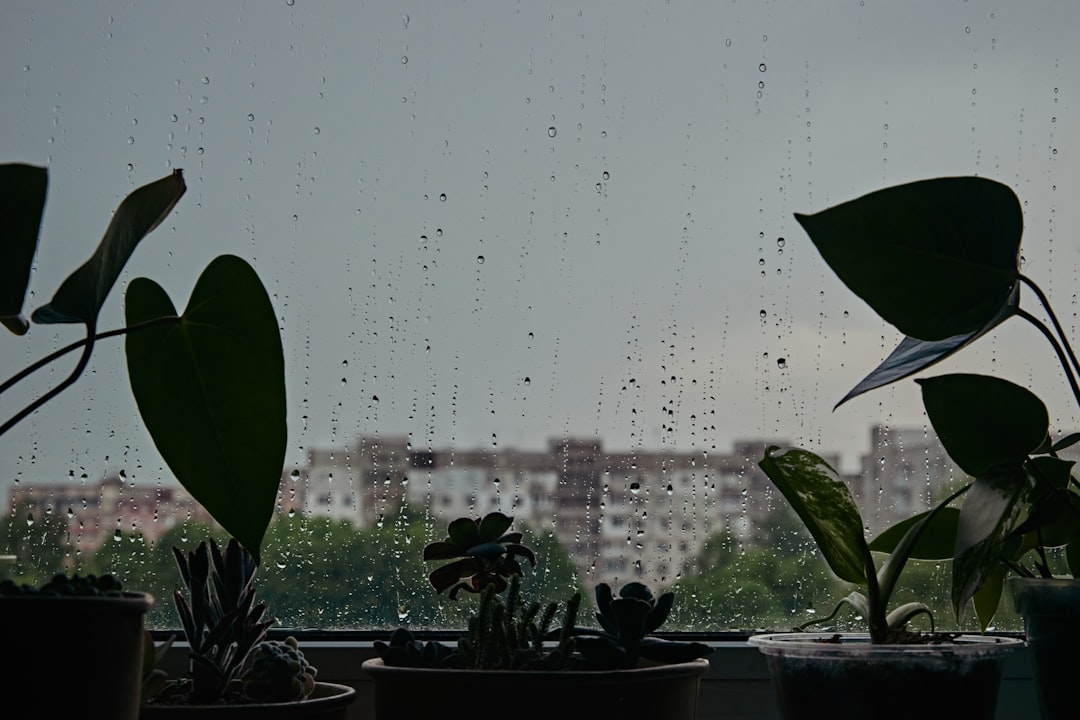
If your pothos is thriving but your newer plants keep sulking, you’re not alone. The houseplant world keeps shifting, and the plants getting attention in 2026 are not just pretty—they’re more forgiving, more sculptural, and often better suited to real homes with average light. The good news is that many of the trending houseplants 2026 picks are easier to grow than they look.
I’ve noticed a clear pattern: people want plants that can handle a north-facing window, survive a dry heating season, and still look special on a shelf or plant stand. That means bold foliage, compact growth, and a few dramatic variegated showpieces. If you know the light in your space and can keep humidity around 50-60%, you can grow most of these without turning your living room into a greenhouse.
What Are the trending houseplants 2026 and why are they popular?
The biggest trend for 2026 is plants that feel collectible but still fit everyday homes. Expect continued demand for Monstera deliciosa ‘Thai Constellation’, Philodendron gloriosum, Anthurium clarinervium, Hoya carnosa ‘Compacta’, and Alocasia ‘Frydek’. These plants stand out because they bring texture, pattern, and a more architectural look than the standard fern or snake plant.
Why now? Social feeds love dramatic leaves, but plant buyers have become more practical. Many people are shopping for species that can live near an east window with about 2000-5000 lux, not only under grow lights. In my own home, the plants that get the most compliments are the ones with strong leaf shapes and visible veins, especially when placed in a 6-8 inch pot on a simple stand.
Which traits are driving the trend?
Three traits keep showing up: variegation, compact growth, and tactile foliage. Variegated plants like Monstera ‘Thai Constellation’ remain popular because each leaf looks unique. Compact growers such as Hoya carnosa ‘Compacta’ are favored for small apartments, and velvety leaves like Philodendron micans and Anthurium clarinervium feel luxurious without needing a huge footprint.
Another reason these plants trend well is that they photograph beautifully in natural light. Even a single plant can anchor a room if it sits near a north-facing window or in filtered sun. That makes them ideal for renters, apartment dwellers, and anyone who wants a high-impact look without filling every corner.
Which trending houseplants 2026 are easiest for beginners?
If you want the trend without the drama, start with plants that tolerate average indoor conditions. Hoya carnosa, Scindapsus pictus, Philodendron hederaceum, Peperomia obtusifolia, and the classic ZZ plant, Zamioculcas zamiifolia, are still smart buys. They handle missed waterings better than thirstier plants and can adapt to rooms that stay around 65-75°F (18-24°C).
For beginners, I’d especially point to Scindapsus pictus and Philodendron hederaceum. Both can trail over a shelf, root easily from cuttings, and recover quickly if you let the top 2 inches of soil dry before watering. I’ve seen Scindapsus bounce back after 10-12 days of neglect in a room with 40-50% humidity, which is exactly why it keeps showing up in plant shops.
What should you avoid at first?
Skip the fussiest collector plants until your light and watering rhythm are steady. Many Alocasias and some Anthuriums want humidity closer to 60-70% and soil that never stays soggy for more than 48 hours. If your home swings below 55°F (13°C) at night or sits near a drafty door, start with a tougher vine or succulent-type houseplant instead.
A practical rule: if you can keep one easy plant alive for 3 months through a full season change, you’re ready to try a more demanding trending plant. That small success matters more than buying the rarest leaf in the shop.
How much light, water, and humidity do these plants really need?
Most trending houseplants 2026 do best in medium to bright indirect light, which usually means near an east window or 3-6 feet from a south window with a sheer curtain. For many aroids, aim for 2000-5000 lux for 8-10 hours a day. If the leaves stretch or lose color, the plant is asking for more light; if they scorch, move them back 12-18 inches.
Watering is where many people go wrong. Instead of guessing, check the top 1-2 inches of soil. For a 6-inch pot, that often means watering about 250-400 ml, then waiting until the top layer dries again. In a cooler room at 65°F (18°C), that might be every 10-14 days; in a drier room at 75°F (24°C), it could be every 7-10 days.
Humidity matters, too. Anthurium clarinervium and Alocasia ‘Frydek’ look best at 50-70% humidity, while Hoya and ZZ plants are fine around 40-50%. If your home is dry in winter, a small humidifier running for 6-8 hours a day can make a visible difference in new leaf size and edge crisping.
Which trending houseplants 2026 are the best statement plants?
Statement plants are the ones people notice across the room. In 2026, Monstera deliciosa ‘Thai Constellation’, Philodendron gloriosum, Alocasia ‘Frydek’, and Anthurium clarinervium are leading the pack. Their appeal comes from scale, texture, and leaf pattern, not just rarity. A single healthy specimen can make a room feel intentional fast.
Monstera ‘Thai Constellation’ is especially prized because of its creamy speckling and stable variegation. It prefers steady conditions between 68-80°F (20-27°C) and appreciates a moss pole once it reaches about 18 inches tall. Philodendron gloriosum spreads horizontally, so give it at least 24 inches of surface space if you want to show off its velvety leaves properly.
My favorite thing about these plants is that they age well when placed correctly. I’ve seen an Anthurium clarinervium look underwhelming in a dark corner, then become the star of a room after moving just 4 feet closer to a window. Sometimes the trend isn’t the plant itself—it’s the placement.
Choose one easy trend plant and one statement plant, then match both to your light level before buying anything rare.
How should you style trending houseplants 2026 in a real home?
The best styling trick is grouping plants by growth habit, not just by color. Put trailing plants like Hoya carnosa ‘Compacta’ or Scindapsus pictus on a shelf edge, keep upright plants like ZZ plant and Peperomia obtusifolia on tables, and use one dramatic leaf plant as the focal point. That keeps the room from looking crowded.
Container size matters more than most people think. A plant in a pot that is 1-2 inches wider than the root ball usually grows better than one stuffed into an oversized container. For example, a 4-inch nursery pot can move up to a 6-inch pot once roots circle the bottom, usually after 6-9 months. Going too large can keep soil wet too long and slow growth.
I also like mixing leaf textures: glossy, velvety, and variegated leaves together create more visual interest than matching every plant. A Monstera ‘Thai Constellation’ beside a matte-leaved Philodendron hederaceum can look more designed than a shelf full of identical pots.
What plants should you buy first from the trending houseplants 2026 list?
If you want the safest bet, start with Scindapsus pictus, Philodendron hederaceum, Hoya carnosa, and ZZ plant. If you want one splurge plant, choose Monstera deliciosa ‘Thai Constellation’ or Anthurium clarinervium only if your light is steady and you can keep temperatures above 65°F (18°C) year-round. In USDA zone 9 and warmer, some growers even move hardy tropicals outdoors for summer, but only when nighttime lows stay above 60°F (16°C).
Here’s a quick comparison to help narrow your shopping list.
| Plant | Best light | Watering pace | Difficulty |
|---|---|---|---|
| Scindapsus pictus | 2000-4000 lux | Every 7-10 days | Easy |
| Philodendron hederaceum | Near east window | When top 2 inches dry | Easy |
| Hoya carnosa ‘Compacta’ | Bright indirect light | Every 10-14 days | Easy to moderate |
| Monstera deliciosa ‘Thai Constellation’ | 2000-5000 lux | Every 7-12 days | Moderate |
| Anthurium clarinervium | Filtered light | When top 1 inch dries | Moderate to advanced |
FAQ: What do readers usually ask about trending houseplants 2026?
Q: Are variegated plants harder to care for?
A: Usually, yes. Plants like Monstera deliciosa ‘Thai Constellation’ need steadier light and slower watering than plain green forms. Because variegated sections have less chlorophyll, they can grow more slowly and need 2000-5000 lux to keep new leaves healthy.
Q: Can these plants survive in low humidity homes?
A: Many can. Hoya, ZZ plant, and Philodendron hederaceum tolerate 40-50% humidity well. Anthuriums and Alocasias do better closer to 60-70%, especially if your heater runs for 8-10 hours a day in winter.
Q: What is the fastest way to tell if a plant is getting too much water?
A: Check the soil depth and the pot weight. If the top 2 inches stay wet for more than 72 hours, or if the pot still feels heavy after a week, slow down. Yellowing leaves and a sour soil smell are strong clues that the roots are sitting too wet.
If you’re buying only one plant this season, pick the one that matches your light first and your trend wish list second—that’s the easiest way to make trending houseplants 2026 work in your home.