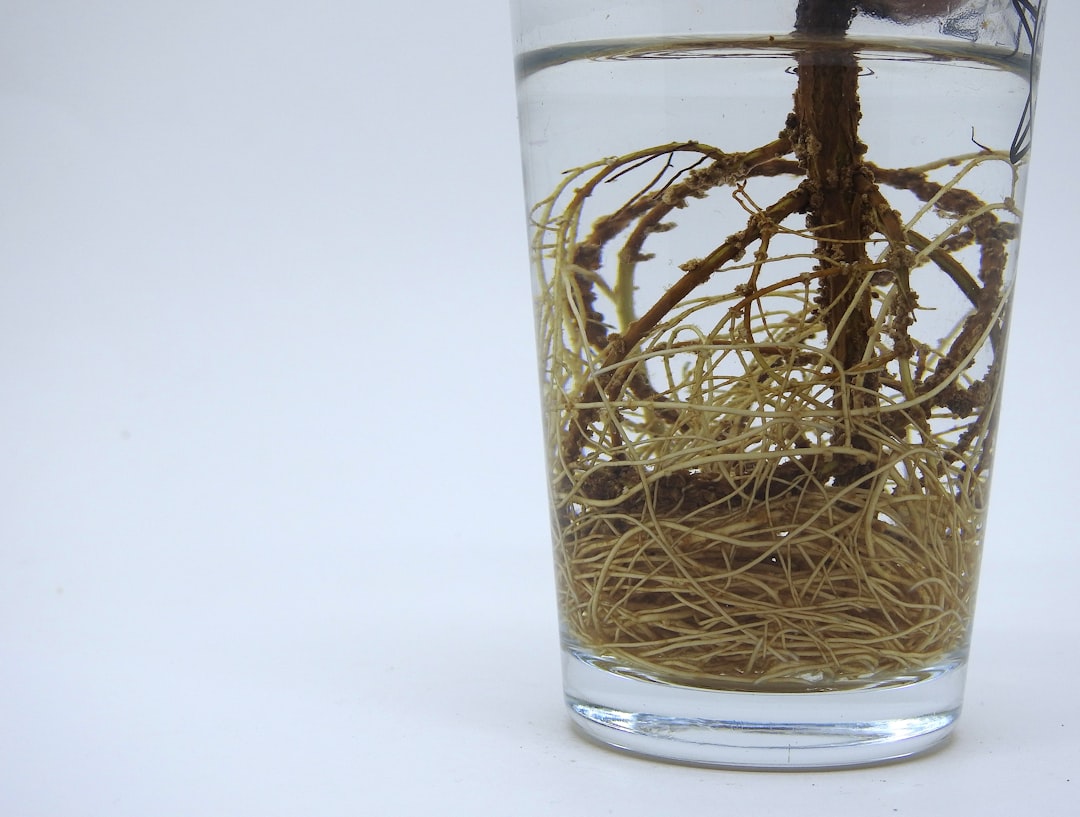
If your snake plant looks fine after repotting but you are staring at the pot wondering whether to water it, you are not alone. A lot of Sansevieria trifasciata problems start with too much water too soon, especially when the roots are still adjusting to fresh soil.
The good news is that repotted snake plants are forgiving once you understand their pace. The first watering is less about the calendar and more about the soil, temperature, and how disturbed the roots were during repotting. I have seen plants recover beautifully when left dry for the right window, and I have also seen perfectly healthy roots turn mushy after one eager watering.
When should you water a repotted snake plant?
For most repotted snake plants, the safest answer is wait 5-7 days before watering. That gives any broken roots time to callus and lowers the risk of rot. If the plant was bare-rooted, divided, or had damaged roots trimmed, stretch that to 7-10 days. A snake plant in a terracotta pot with fast-draining mix can tolerate the wait better than one in plastic, which holds moisture longer.
Temperature matters too. If your room stays around 65-75°F (18-24°C), the soil dries at a moderate pace and the plant settles in comfortably. In a cooler room near 55-60°F (13-16°C), watering should be delayed because evaporation slows down. In hotter conditions above 80°F (27°C), the top layer may dry fast, but that does not mean the lower root zone is ready. I always check deeper than the surface before watering.
What if the plant was repotted into dry soil?
Dry soil is the usual starting point after repotting a snake plant. If the mix contains perlite, pumice, or coarse orchid bark, it may stay airy enough to wait the full week. A good test is to insert a wooden chopstick or skewer 2-3 inches into the pot; if it comes out cool or damp, hold off. If it comes out dry and clean, the plant is closer to needing water.
How do you know the roots are ready for water?
Snake plant roots do not like being treated like tropical houseplant roots. Dracaena trifasciata stores water in its thick leaves, so it can handle a dry pause much better than plants like peace lily or calathea. After repotting, look for simple signs of settling: leaves stay firm, the plant stands upright, and the soil surface is dry at least 1-2 inches deep. If the base feels stable and there is no collapse, that is a good sign the roots are recovering.
Humidity also plays a role. In a home with 30-40% humidity, soil dries faster than in a room at 50-60% humidity. Near an east-facing window, where light is gentle and airflow is steady, I usually see repotted snake plants dry down in about a week. In a north-facing window, drying may take closer to 10-14 days, especially in winter. That is why the calendar alone can be misleading.
Does the pot size change watering timing?
Yes, absolutely. A 4-inch pot dries much faster than an 8-inch pot, and oversized containers are one of the biggest reasons people overwater snake plants. If the new pot is more than 2 inches wider than the root ball, the extra soil can stay wet long after the roots are done adjusting. I have found that a snug pot with drainage holes makes the first watering decision much easier because the mix dries evenly.
After repotting a snake plant, wait 5-7 days in average indoor conditions, 7-10 days if roots were disturbed, and longer if the soil is still cool or damp 2 inches down.
What kind of soil and pot make the first watering safer?
The safest setup for a repotted snake plant is a gritty, fast-draining mix in a pot with drainage holes. A blend of 2 parts cactus soil, 1 part perlite, and 1 part pumice works well for many homes. That kind of mix lets excess water escape quickly, which is especially important right after repotting when the roots are vulnerable. If the soil contains too much peat, it can hold moisture for days and increase the chance of root rot.
Terracotta is often the easiest material for beginners because it pulls moisture from the soil. Plastic and glazed ceramic slow drying, so they demand more caution. If you repotted a cultivar like Sansevieria trifasciata ‘Laurentii’ or ‘Moonshine’, treat it the same way as the standard green form: do not water just because the leaves look thirsty. Snake plants rarely show thirst in a dramatic way, and overwatering symptoms can appear after 3-5 days of excess moisture.
What about fertilizing after repotting?
Skip fertilizer for at least 4-6 weeks. Fresh potting mix already gives the plant a clean start, and fertilizer plus wet soil can stress tender roots. If you are tempted to feed because the plant looks “resting,” remember that snake plants grow slowly on purpose. A patient first month usually leads to better leaf firmness and less chance of mushy rhizomes later.
What are the best ways to water once the plant is ready?
When it is finally time to water, do it thoroughly but not frequently. Pour water slowly around the soil until a small amount runs from the drainage holes, then empty the saucer after 5-10 minutes. For a 6-inch pot, that may take roughly 250-400 ml of water, depending on the mix and dryness. The goal is to moisten the root zone without leaving the lower half of the pot soggy.
After that first watering, let the soil dry almost completely before the next one. In many homes, that means every 14-21 days in spring and summer, and every 21-30 days in winter. If your plant sits near a heater or in a room above 75°F (24°C), it may dry faster. If it is in a cooler room around 60°F (16°C), it may need much less water. The main habit to build is checking the soil, not guessing from the leaves.
How can you compare a safe wait versus a risky early watering?
Here is a quick comparison that makes the difference easier to see. The main idea is that snake plants would rather be slightly dry than slightly wet, especially right after repotting. I have seen plants bounce back from a week of dryness with no issue, but I have also seen overwatered roots collapse in less than two weeks.
| Timing choice | What you may see | Risk level |
|---|---|---|
| Water after 5-7 days | Soil dry 1-2 inches down, leaves firm | Low |
| Water after 7-10 days | Ideal after root pruning or division | Very low |
| Water within 24-48 hours | Wet mix around stressed roots | High |
| Wait 14 days in cool, humid rooms | Safe if soil stays dry and airy | Low |
What are the most common mistakes after repotting a snake plant?
The biggest mistake is treating a repotted snake plant like a thirsty fern. Another common one is watering by schedule instead of by soil dryness. People also choose pots that are too large, then wonder why the plant declines after only 1-2 weeks. Snake plants do not need a deep soaking routine to thrive; they need a dry-down cycle with enough air around the roots.
One practical example: a snake plant moved from a nursery pot into a 7-inch ceramic pot in a room at 68°F (20°C) near a north-facing window may need 10 days before the first watering. The same plant in a 5-inch terracotta pot near an east window may be ready in 6 days. That difference is why I always check the pot weight first. If it still feels heavy, the mix is probably holding water.
How often should you check the soil?
Check the soil every 3-4 days during the first two weeks after repotting. After that, you can space checks out to every 7-10 days. Use your finger, a skewer, or a moisture meter if you prefer numbers. A meter reading in the dry range, plus a pot that feels light, is usually enough to green-light the first watering.
What should you do right after the first watering?
After the first soak, keep the plant in stable conditions and avoid moving it around too much. A spot with indirect light near an east window and temperatures between 65-75°F (18-24°C) is ideal. Do not mist the leaves, and do not add more water just because the top inch looks dry. The root zone matters more than the surface.
If the leaves stay firm for the next 7-14 days, you are on the right track. If they become soft at the base, that is a warning sign that the pot is staying too wet. At that point, the best move is to let the mix dry fully before watering again. Snake plants reward restraint, and that is especially true after repotting.
Q: Can I water a repotted snake plant immediately?
A: Usually no. If the roots were disturbed, wait 5-7 days, or 7-10 days if you trimmed roots or divided the plant. Immediate watering is one of the fastest ways to trigger rot in Sansevieria trifasciata.
Q: Does a snake plant in winter need a different wait time?
A: Yes. In winter, cooler indoor temperatures around 60-65°F (16-18°C) and lower light can slow drying, so the first watering may need to wait 10-14 days. Always check the soil 1-2 inches down first.
Q: What if the leaves wrinkle before I water it?
A: Mild wrinkling is not an emergency for a repotted snake plant. Wait until the soil is dry and the pot feels light, then water thoroughly. Wrinkles often improve within 7-14 days after a proper soak.
Practical takeaway: after repotting, check the soil depth, pot weight, and room temperature first, then water only when the mix is dry 1-2 inches down and the plant has had at least 5-7 days to settle.