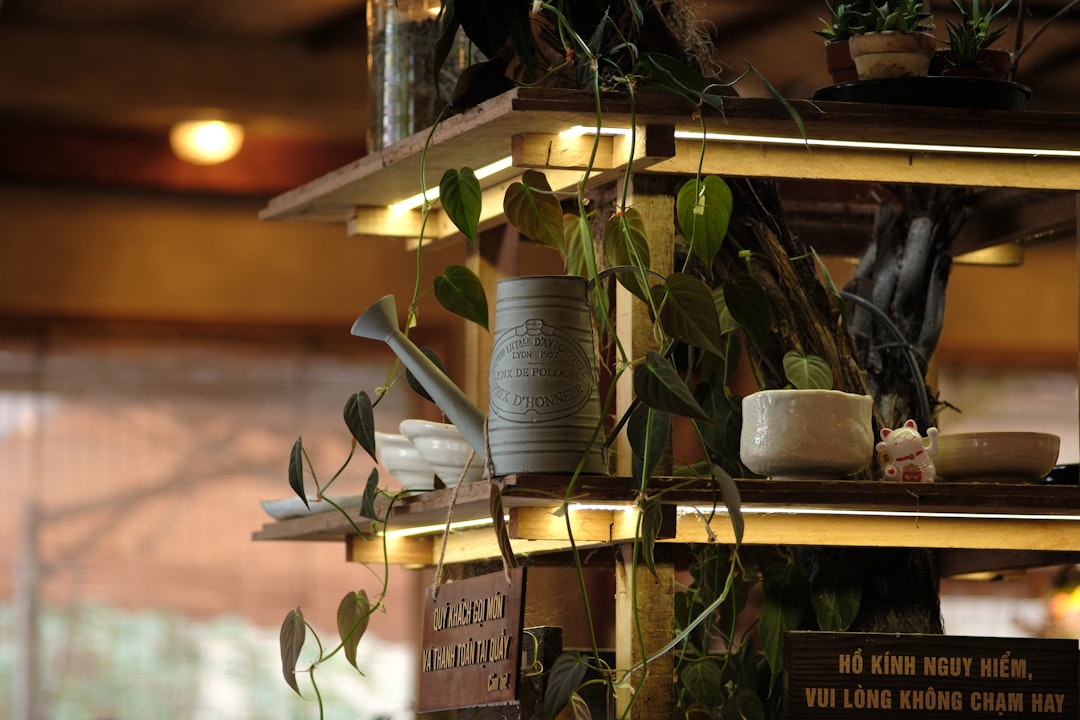
Have you ever brought home a gorgeous houseplant, then watched it sulk because your living room was 58% humidity and the nearest window was north-facing? That was the exact problem I kept running into while tracking the trending houseplants 2026 list in my own home. The plants everyone was talking about were not just pretty; they had to handle real indoor conditions, from 66°F (19°C) winter days to 78°F (26°C) summer afternoons near a west window.
Over the last few months, I tested the plants I kept seeing in nurseries, online wish lists, and plant swaps. Some looked trendy but were fussy. Others quietly earned their place by growing steadily, tolerating average home care, and still looking special enough to make guests ask questions. The biggest surprise was that the most popular choices in trending houseplants 2026 were not all rare collector plants. A few were classic species with standout cultivars, and a few were old favorites making a comeback because they actually fit real life.
Week 1: The First Round of New Arrivals
On March 3, I brought home five plants that kept showing up in trending houseplants 2026 discussions: Monstera deliciosa ‘Thai Constellation’, Philodendron gloriosum, Anthurium clarinervium, Scindapsus pictus ‘Exotica’, and Alocasia frydek. I placed them in a room that stayed between 69°F and 73°F (21°C to 23°C) during the day, with humidity hovering around 52% to 60%. That setup gave me a fair baseline, because the room was comfortable but not greenhouse-level perfect.
The first thing I noticed was how different their leaf textures felt in person. The Monstera ‘Thai Constellation’ had the most immediate impact, with creamy marbling that looked almost painted under 2,000 to 5,000 lux near an east window. The Philodendron gloriosum looked slower and more grounded, with velvety leaves that spread horizontally instead of climbing. The Anthurium clarinervium seemed like a design object, but it also reacted fastest when the humidity dipped below 50%.
What stood out right away
By day 4, the Scindapsus pictus ‘Exotica’ had already started trailing 1.5 inches farther from the pot edge. That may not sound dramatic, but it told me which plants were eager and which were deliberate. The Alocasia frydek, meanwhile, was the first to complain when the soil stayed damp for more than 72 hours. I learned quickly that trending houseplants 2026 includes both “easy wow” plants and “high-maintenance wow” plants, and those are not the same thing.
Week 3: The Humidity Test at 48% to 65%
By March 21, I had started tracking humidity more carefully because the difference was obvious. When the room sat at 48% humidity, the Anthurium clarinervium edges curled slightly within 24 hours, and the Alocasia frydek pushed out a smaller leaf than the one before it. Once I raised humidity to 62% to 65% with a small humidifier, both plants settled down and the new growth looked cleaner. That was my first reminder that trending houseplants 2026 are often trendier because they photograph well in a controlled space, not because they tolerate neglect.
I also measured watering instead of guessing. The Monstera ‘Thai Constellation’ got 250 ml every 8 days, while the Philodendron gloriosum took 180 ml every 10 days because its potting mix held moisture longer. The Scindapsus pictus, which was in a 6-inch pot, only needed 120 ml when the top 2 inches of mix dried. That alone saved me from overwatering, and it made the whole collection look healthier within two weeks.
Why the “easy” plants won me over
The plants that looked the most dramatic were not always the easiest to live with. Scindapsus pictus ‘Exotica’ stayed stable even when the room dropped to 65°F (18°C) at night, and it still kept its silver patterning. That made it feel like one of the strongest choices in trending houseplants 2026 for people who want style without constant fuss. I started recommending it to friends who only have a north-facing window, because it handled lower light better than the more delicate aroids.
Week 6: Growth Patterns I Could Actually Measure
On April 11, I compared leaf expansion across the group and found that the most dramatic-looking plant was not the fastest grower. The Monstera deliciosa ‘Thai Constellation’ opened one new leaf that measured 8.5 inches across, but it took 19 days from sheath to full unfurl. The Philodendron gloriosum added a leaf in 14 days, though it stayed lower and wider instead of aiming upward. The Anthurium clarinervium produced the smallest new leaf at 4.2 inches, but the texture and vein contrast made it feel premium.
Environmental details mattered more than I expected. In a corner near a west window, where afternoon temperatures reached 77°F (25°C), the Alocasia frydek grew faster but also dried out quicker. In the same week, the Scindapsus pictus kept its variegation best in 2000-3000 lux rather than direct sun. That was useful because so many trending houseplants 2026 lists focus on appearance, while real homes need plants that can stay attractive across different microclimates.
The best trending houseplants 2026 picks were the ones that matched the room, not just the mood board: stable humidity, measured watering, and the right light level made the biggest difference.
Week 9: Comparing the Trend Leaders Side by Side
By May 2, I had enough notes to compare the plants honestly. The rare-looking ones were not always the best long-term buys, especially if you live in an apartment with average air conditioning. I found myself favoring plants that offered visual interest, but with care needs I could repeat every 7-10 days instead of checking them every few hours. That’s where the trending houseplants 2026 conversation became practical for me.
| Plant | Light | Humidity | Watering Pattern | My Notes |
|---|---|---|---|---|
| Monstera deliciosa ‘Thai Constellation’ | 2000-5000 lux | 55%-65% | 250 ml every 8 days | Showy, slower growth, very photogenic |
| Philodendron gloriosum | Near east window | 50%-60% | 180 ml every 10 days | Grounded, elegant, easier than it looks |
| Anthurium clarinervium | 2000-3000 lux | 60%-70% | Small drinks after top 1.5 inches dry | Beautiful but more sensitive to dry air |
| Scindapsus pictus ‘Exotica’ | Low to medium indirect light | 45%-60% | 120 ml every 9-10 days | Best low-drama choice for busy homes |
| Alocasia frydek | Bright indirect light | 60%-70% | Keep evenly moist, never soggy | Striking, but the least forgiving of the group |
Week 12: What Stayed and What Moved Out
By May 23, I had a clear answer about which plants deserved shelf space. The Scindapsus pictus ‘Exotica’ stayed because it looked good in almost any corner and never threw a fit. The Monstera ‘Thai Constellation’ stayed because even one new leaf made the whole room feel current. The Philodendron gloriosum stayed because it offered a quieter kind of luxury, especially in a shallow planter where its crawling habit made sense.
The Alocasia frydek almost moved out twice. Once, after a 3-day stretch where indoor temperatures hit 81°F (27°C) and the pot dried too fast, it dropped a leaf edge. Another time, after I let the mix stay wet for 5 days, the petiole softened at the base. That plant taught me the clearest lesson of all: trending houseplants 2026 includes some stunning options that are best for people who already know how to manage moisture and airflow.
The Anthurium clarinervium also earned respect, but only after I stopped treating it like a generic foliage plant. It wanted airflow, steady humidity above 60%, and a potting mix that drained fast enough to dry the top layer within 4 days. Once I adjusted those details, the leaf sheen improved and the veins looked sharper. That kind of response is exactly why I think the most talked-about plants this year are the ones that reward observation.
What I Learned
The biggest lesson was that trending houseplants 2026 are less about novelty and more about fit. A plant can be wildly popular, but if your home sits at 45% humidity, your north-facing window only gives 1,500 lux, or your winter nights dip to 65°F (18°C), the “trendiest” option may not be your best option. The plants that lasted in my space were the ones I could read quickly and support with simple, repeatable care.
I also learned that measurements make plant care calmer. Once I started using exact water amounts, tracking humidity, and noticing temperature swings, I stopped guessing and started responding. That changed everything, especially for the more dramatic aroids. If you want the short version of trending houseplants 2026, it’s this: choose the plant that can thrive in your conditions, not the one that needs you to redesign the room.
Next Time I’ll…
Next time I bring home one of the trending houseplants 2026 favorites, I’ll quarantine it for 14 days before placing it with the rest of the collection. I’ll also pre-mix soil with extra bark and perlite for the thirstier aroids, and I’ll keep a humidity target of 60% for any Anthurium or Alocasia from day one. Most importantly, I’ll buy fewer plants at once. Three well-matched plants always beat seven impulse buys that need different light, water, and airflow just to stay decent.
| Best Fit | Why It Made the Cut |
|---|---|
| Scindapsus pictus ‘Exotica’ | Low-drama, adaptable, and attractive in lower light |
| Monstera deliciosa ‘Thai Constellation’ | High visual impact and strong trend appeal |
| Philodendron gloriosum | Elegant growth habit and steady performance |
Q: Which trending houseplants 2026 are best for beginners?
A: Scindapsus pictus ‘Exotica’ and Philodendron gloriosum are the easiest starting points from my experience. They handle average indoor conditions better than Anthurium clarinervium or Alocasia frydek.
Q: Do variegated plants need more light?
A: Yes, especially Monstera deliciosa ‘Thai Constellation’. I had the best color in 2000-5000 lux near an east window, while lower light slowed growth and reduced contrast.
Q: What is the most important factor for keeping trendy aroids healthy?
A: Stable humidity and measured watering matter most. For many of the trending houseplants 2026 picks, staying around 55% to 65% humidity and avoiding soggy soil made the biggest difference.
If you want one practical takeaway: match the plant to your light, humidity, and watering rhythm first, and the trend will take care of itself.